

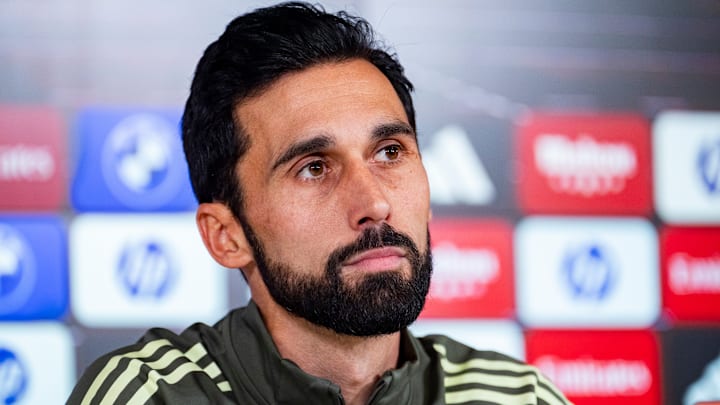
Xabi Alonso’s departure from Real Madrid didn’t shock those who follow the club from the inside. The split happened quickly because the wear and tear built up just as fast. From the moment he arrived in late May 2025, the coach ran into resistance in a place where new ideas only take root if they respect long-standing codes. The core issue was coexistence. At Real Madrid, results help, but they don’t protect anyone once the locker room starts to creak.
Xabi tried to change habits within a squad used to autonomy and trust. Tighter disciplinary measures, such as limits on cell phone use and mandatory same-day returns with the team after away matches, bothered veteran players. The atmosphere never really settled, not even during the team’s best stretch, when it won seven straight games between August and September. Beneath the wins, the discomfort was still there, quiet but constant.
When the locker room speaks louder than the scoreboard
Disagreements spilled from behind the scenes onto the field. Players questioned tactical calls and frequent improvisations. Federico Valverde was used several times at right back and made it clear in pregame press conferences that it wasn’t his natural position.
Ironically, he had played that role, and played it well, under Ancelotti. There were also more sensitive clashes with Vinícius Júnior, a technical and symbolic reference point for the squad, along with internal criticism of the day-to-day management, something Antonio Rüdiger went as far as voicing.
Arbeloa arrives with a simple message and a feel for the club
The board moved fast and put its faith in someone who knows the environment inside out. Álvaro Arbeloa took over the first team after years working in the academy. He’s not an outsider trying to decode the club, he’s someone shaped there, both as a player and as a coach. Arbeloa understands the weight of the badge and also knows where he’s stepping. In his first contact with the group, he was straightforward. He said Real Madrid is about winning, winning and winning, no fluff, no grand promises.
His admiration for José Mourinho came across honestly, without any attempt to imitate him. “If I tried to be Mourinho, I’d fail spectacularly,” he said. That line says a lot. Arbeloa isn’t arriving to play a role, he’s arriving to be himself. For a club still bruised by recent internal noise, that’s already a meaningful start.
At Real Madrid, ideas are welcome as long as they come with a sharp reading of the environment. Xabi Alonso had substance, but he lost his grip on the group. Arbeloa begins with something you don’t learn in a course, an intimacy with the place. Sometimes that’s exactly what the club needs to breathe again.
 Add us as a preferred source on Google