

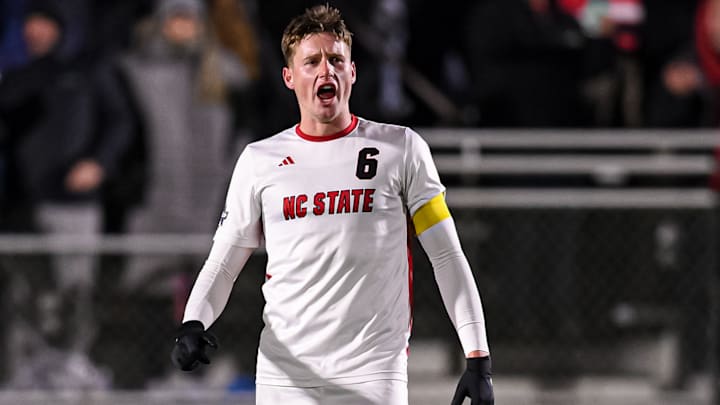
The 2026 MLS SuperDraft has already begun shaping the future of soccer in the United States long before draft day arrives. The list of eligible players makes it clear that college soccer remains a real, structured and increasingly strategic pathway into the league. With Generation adidas contracts signed, former MLS academy players reemerging at a high level and an unusually wide range of profiles by position, next year’s draft won’t be just about who has the most upside, but about who’s most prepared to handle the impact of the pro game.
The first thing that stands out is the weight carried by Generation adidas. Nikola Markovic, Kwaku Agyabeng, Ricky Louis and Nick Simmonds enter the draft protected from salary cap impact and labeled as league investments. That changes how the draft is viewed, because these picks tend to receive sporting priority, developmental patience and real roster opportunities. Richie Aman, although a senior, fits into a similar category thanks to a pre signed contract, which also influences decisions at the top of the board.
A generation shaped by MLS academies
Another key detail is the strong presence of players with MLS academy backgrounds. Mitch Budler, André Samuels, Seth Wilson and Sebastian Conlon are examples of athletes who left the pro environment at a young age, went through college soccer and now return more complete. For goalkeepers, this matters even more. Budler, tied to the Philadelphia Union, and Samuels, with a San Jose Earthquakes background, arrive with game reading, tactical awareness and experience that most college keepers simply don’t have.
That trend extends into the back line as well. Fullbacks like Ashton Kamdem and Will Cleary show how the college game has begun to demand more physical and tactical versatility. Kamdem offers the ability to play inside or wide, while Cleary brings the athletic DNA typically associated with Stanford players. At center back, Markovic stands out as the most ready made option. Left footed, physical, competitive and a key figure in a national championship run, he fits perfectly into the league’s ongoing search for defenders who can build play from the back.
Midfield depth with a tricky transition
Midfield may be the most complex area in this class. There’s depth, but also risk. Connor Lofy and Jefferson Amaya represent safer profiles, offering defensive awareness, set piece quality and positional discipline. Box to box midfielders and college number tens, however, face a historically difficult transition to MLS, a league that demands constant defensive intensity.
Kwaku Agyabeng emerges as an interesting exception. Signed as a Generation adidas player, he combines physical strength, attacking runs and the ability to play out wide, a valuable mix for teams with short benches.
Wingers and forwards bring unpredictability
If there’s one group built for surprises, it’s the wide attackers. Richie Aman is the clearest example. One year after going undrafted, he returned as a central figure in a national title run. Ricky Louis, now Generation adidas, delivered consistent numbers and showed rare spatial awareness in college soccer. Raphael adds creativity and one on one ability, traits that are increasingly valued in MLS.
Among the forwards, Nick Simmonds stands out as the most complete prospect. His technique, physical tools and understanding of the game put him a step above the rest. Mamadou Billo Diop offers the added advantage of having already competed in MLS NEXT Pro, while Mitch Baker brings the classic number nine profile that never goes out of style in the league. Still, the possibility of returning to college keeps the picture fluid right up until the final moment.
 Add us as a preferred source on Google