

The USMNT has set the most important phase of its preparation for the 2026 World Cup, and the choice of opponents shows exactly how demanding the next stretch will be. Instead of low-stakes friendlies, the USMNT will face three top-10 teams in the FIFA rankings: Belgium, Portugal and Germany.
Atlanta, Charlotte and Chicago enter the final stage
The preparation starts at Mercedes-Benz Stadium in Atlanta, which will host two of the four matches. First comes Belgium on March 28, a meeting between an American squad still being shaped and a team used to reaching the final rounds of major tournaments. Three days later, the same venue hosts Portugal, sixth in the world rankings and built around a mix of elite veterans and players established across Europe. Both games bring real competitive weight and force the USMNT to adjust tempo, decision-making and defensive structure against attacks with very different profiles.
Charlotte will then host the Continental Clásico on May 31, shortly after the release of the final roster for the World Cup. The opponent hasn’t been announced, but the match serves as a chance for targeted adjustments in a pre-tournament setting. It’s the kind of game that usually helps refine positioning and give minutes to players who need to solidify their place in the rotation.
The final test is in Chicago, at Soldier Field, with a matchup against Germany on June 6. Of the three opponents, it’s the one that resonates the most with American fans. The recent history includes World Cup meetings, memorable performances and conversations that still come up today — like Tim Howard’s 16-save display in 2014.
Strong opponents, clear lessons and no room for complacency
The three matches offer a realistic look at what the USMNT may face during the tournament. Belgium brings experience in decisive moments, Portugal mixes individual talent with an attack that adapts well to different situations, and Germany plays a style that punishes any lapse. For a team preparing to host a World Cup, facing this level of opposition ahead of the event makes sense.
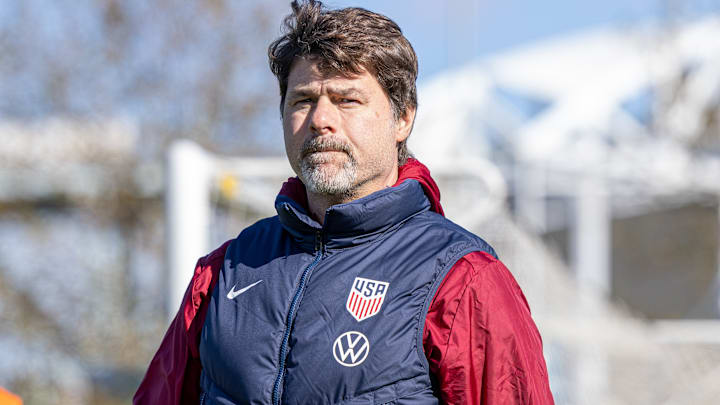
Beyond that, the sequence shows how Pochettino plans to shape the team across different scenarios. The coach has said he sees these friendlies as chances to strengthen the group’s identity, test behaviors and speed up the development process. What happens on the field will indicate whether the team reaches 2026 ready to handle top-tier opponents or still dealing with inconsistency in key moments.
 Add us as a preferred source on Google