

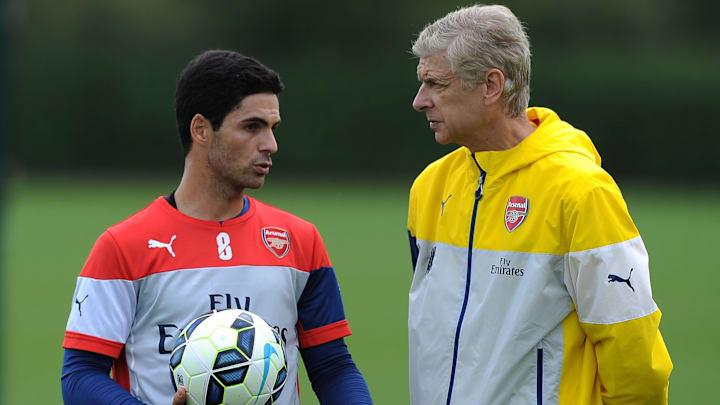
Arsenal spent nearly eight years trying to find itself again after Arsène Wenger’s departure, and the balance of that period helps explain why the club took so long to truly compete again at the top of the Premier League. Since then, there have been 49 signings, many expensive, some loud, and others simply poorly thought out. A recent review by the English newspaper The Telegraph shed light on that process and highlighted an uncomfortable symbol of that era, with Willian named as the club’s worst signing during that stretch.
The Brazilian’s spell at Arsenal neatly sums up a phase marked by confusing decisions. Signed in 2020 from Chelsea, on high wages and with expectations of immediate impact, Willian never delivered what was hoped. In 37 appearances, he scored just once and registered seven assists, numbers that don’t fully explain the frustration but help put it into context. The bigger issue was his lack of real influence on games, something that stood in stark contrast to the form he later showed at Fulham. The early contract termination felt almost like a collective relief and left the sense that Arsenal had bet more on the name than on the fit.

Mistakes that cost time and money
Willian wasn’t an isolated case. Goalkeeper Neto was cited as another example of a failed signing. Those choices didn’t sink Arsenal on their own, but they did help delay an already fragile rebuilding process. There was a lack of clarity, a lack of coherence, and at times too much improvisation.
That history explains why the signings that followed ended up carrying so much weight. Once Arsenal started making fewer mistakes, the team slowly began to change its level.
When the market finally worked in Arsenal’s favor

Martin Odegaard represents that turning point. First arriving on loan from Real Madrid and later signed permanently, the Norwegian became the team’s centerpiece, not only because of his technical quality but also due to his ability to run games. Declan Rice followed a similar path, though with a different profile. A very expensive signing, he arrived under heavy scrutiny and responded with consistency, physical presence, goals, and an ability to deliver in big matches.
Gabriel Magalhães is another clear example of that maturity. Signed early in the Arteta era, he developed steadily and established himself as one of the league’s most reliable center backs. Gabriel Martinelli and Gabriel Jesus also joined that group of players who raised the collective level, each in their own way.
Even David Raya, who initially faced resistance because of the fans’ attachment to Ramsdale, eventually imposed himself through performance and solid numbers. The Arsenal competing today is the result of those smarter decisions and successful moves.
The contrast between Willian and names like Odegaard and Rice ultimately serves as a lesson. Arsenal paid a high price to learn that rebuilding isn’t done through instant impact, but through the right reading of profile, context, and timing. The club appears to have learned, even if the road to get here was full of stumbles.
 Add us as a preferred source on Google